

Gender & Development
Opportunity, work and economic life
Questions about how gender shapes access to opportunity, livelihoods, economic participation and development outcomes.
Research at CGS
Gender intersects with institutions, opportunity, health, education, leadership and public life. Research helps make those intersections visible and open to careful analysis.
CGS brings disciplines into conversation to examine how gender shapes institutions, opportunity and everyday life—producing evidence that strengthens scholarship, teaching and public understanding.
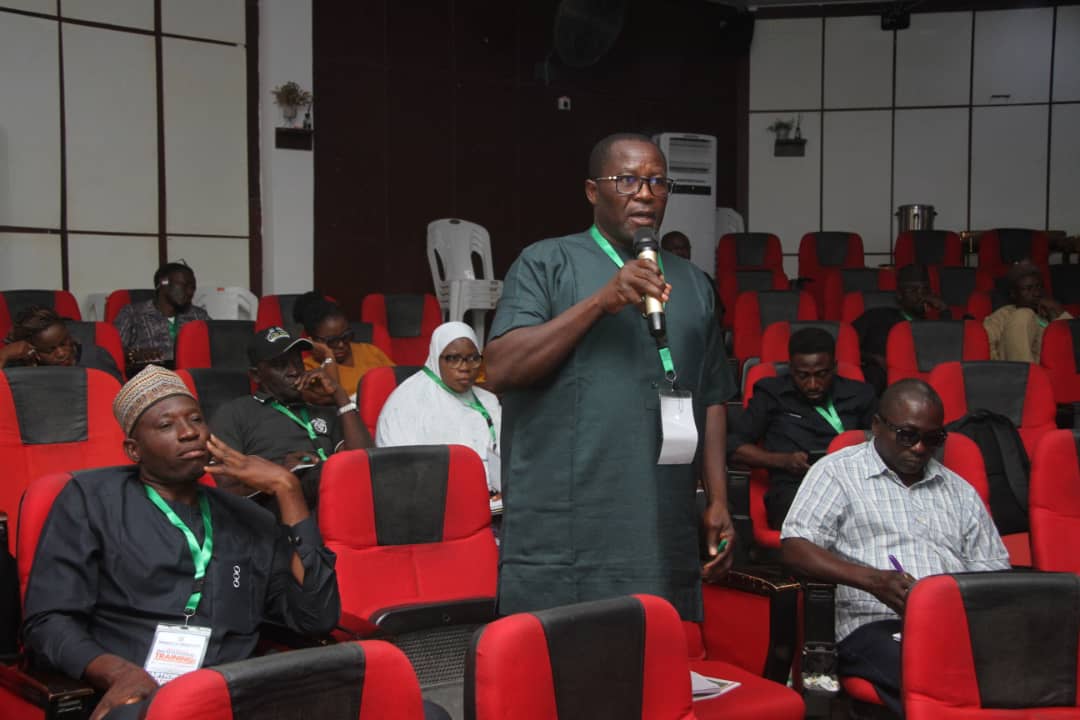
Research in practice
Serious inquiry means looking closely at the systems, experiences and institutions surrounding a question, then testing what the evidence can actually support.
That approach matters in Gender Studies because many of the questions cross disciplines and touch both private experience and public life.
Areas of inquiry
These themes provide an editorial map of the questions presented across the CGS website. They are not presented as separate departments or formal research units.
Opportunity, work and economic life
Questions about how gender shapes access to opportunity, livelihoods, economic participation and development outcomes.
Prevention, response and lived experience
Inquiry into the conditions that produce gender-based violence, the experiences surrounding it and the systems involved in prevention and response.
Participation, power and decision-making
Study of participation, representation, leadership and the ways power is distributed across institutions and public life.
Health, wellbeing and access to care
Questions about wellbeing, health systems, access to care and how gender can shape health experiences and outcomes.
Learning, opportunity and social expectations
Study of learning, access, expectations and the social conditions that can shape educational opportunity and experience.
Policy, institutions and public life
Inquiry into policy, institutions, participation and how gender analysis can deepen understanding of governance and public decision-making.
From research to public life
Research can deepen teaching, sharpen institutional dialogue and give public conversations a stronger evidence base. Those connections are part of how CGS positions scholarship within wider social questions.
Bring research questions into academic learning and advanced study.
Use evidence to support serious conversations with practitioners and institutions.
Connect scholarship with the wider questions communities and public life are already facing.
Evidence of activity
Strengthening research capacity, advancing knowledge and driving impact. Activity records give visitors a concrete view of how the Centre convenes academic and institutional work.
Explore documented activity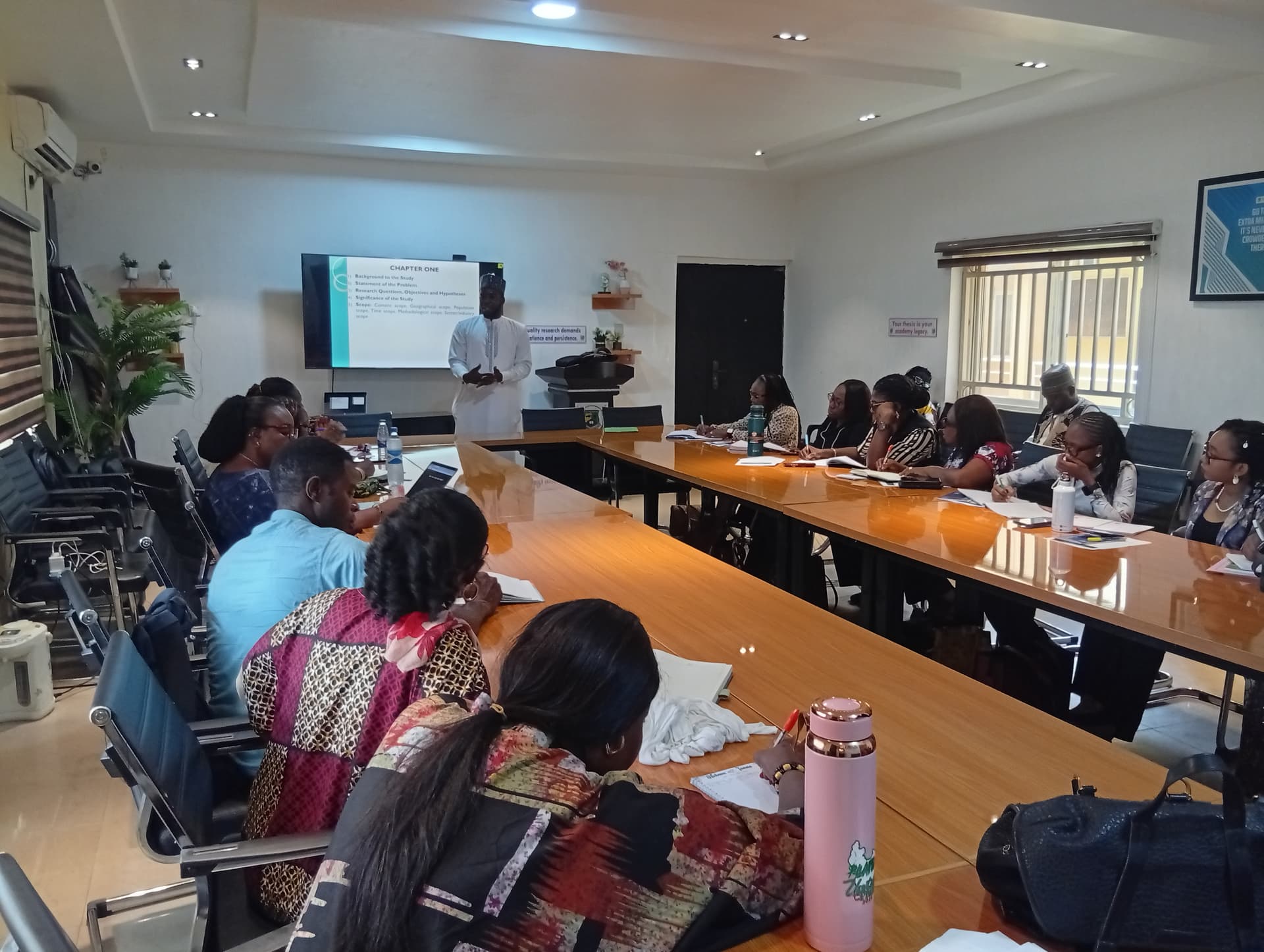
Start a research conversation
Students, researchers, practitioners and institutions can contact CGS about research ideas, collaboration, supervision enquiries, institutional research or public dialogue.
Start a conversation
Start a conversation about research, collaboration, supervision, institutional inquiry or public dialogue.